Loading…
Mission driven for people living with chronic stroke disability
Awakening the brain's regenerative potential — restoring motor function with a single dose of CC-101.
CC-101 is an investigational, off-the-shelf neural stem cell product candidate entering Phase 2b development this year.
What this means in practice
CC-101 is Designed to Deliver in Chronic Stroke
Key goals include regeneration, restoration, and rehabilitation.
Same-day procedure and discharge
Home the same day.
The procedure is designed to allow the patient to return home as soon as 6–8 hours after treatment.
Designed to scale
Built to reach millions, not dozens.
Our master cell bank model is designed for commercial-scale production from day one — a deliberate answer to the more than 6 million US adults, and roughly 70 million worldwide, living with chronic ischemic stroke today.
Off-the-shelf
Ready to transplant when you are.
CC-101 is pre-manufactured, cryopreserved, and ready when the patient is — no match wait, no personal-cell processing.
Encouraging data, to date
Safety and efficacy look promising and durable.
In a completed Phase 1/2a trial conducted at Stanford by Dr. Steinberg, the vast majority of subjects had improved motor function at twelve months with no reported serious adverse event. Phase 2b begins this year.
>6M
US adults living with chronic ischemic stroke
>500K
New Ischemic strokes in the US each year
>$100K
Annual US support cost per severely affected patient
0
FDA approved drugs to treat chronic stroke
Clarion Cells
Clarion Cells is a Phase 2b clinical-stage biotechnology company working to regenerate brain pathways, restore motor function, and rehabilitate activities of daily living in people living with chronic ischemic (non-hemorrhagic) stroke — a condition that affects more than 6 million US adults, with no drugs currently approved to treat it.
The Problem
A Large Unmet Medical Need
Chronic ischemic stroke leaves millions without options
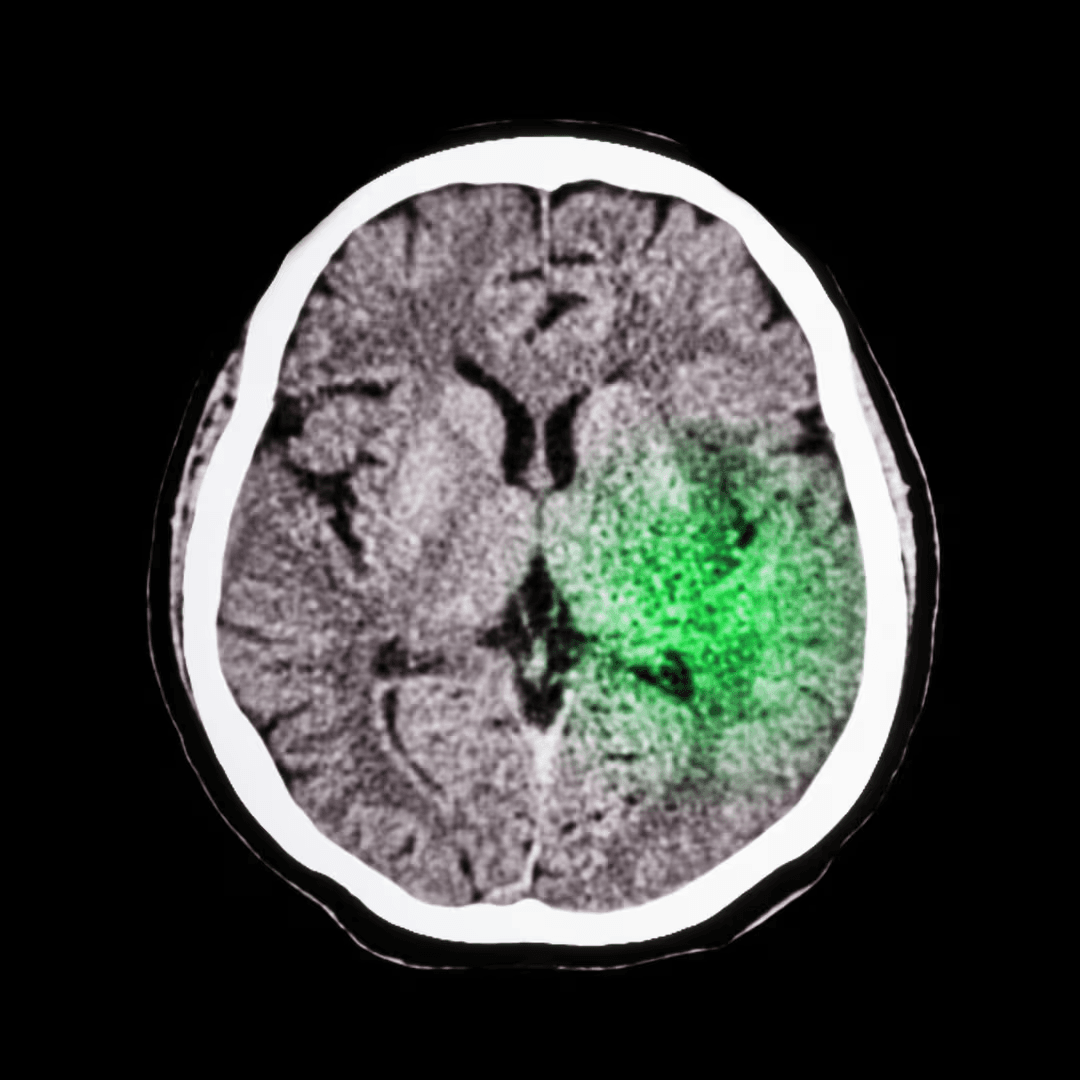
More than 6 million adults in the United States — and roughly 8 million in Europe and 3 million in Japan — live with the aftermath of ischemic stroke. Between 70 and 85 percent of first strokes leave lasting motor dysfunction. By six months, any spontaneous recovery has plateaued, and roughly half of patients lack the functional independence to care for any of their own basic needs. Annual support costs can exceed $100,000 per patient per year. Despite the scale of the need, no drugs are currently approved to treat chronic stroke.
Our Therapy
CC-101
A patented, off-the-shelf neural stem cell therapy — delivered as a single, same-day dose to restore motor function after chronic ischemic stroke.
The Solution
A Signal to Heal and Rebuild
CC-101 activates the brain's dormant repair mechanisms
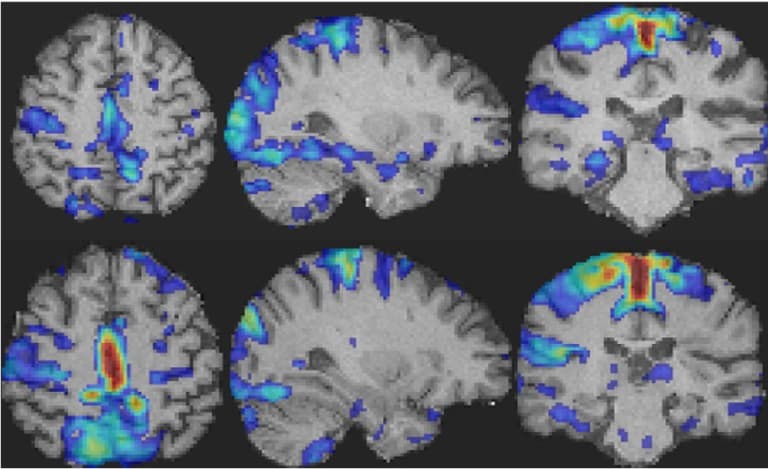
CC-101 is a patented, off-the-shelf neural stem cell therapeutic. Delivered as a single, same-day dose, the cells are placed adjacent to the stroke-damaged area — where they secrete trophic factors that awaken the brain's own dormant stem cells and drive the formation of new neural connections. A single treatment has been given anywhere from six months to five years after an acute stroke.
“CC-101 is distinct from other contemplated cellular solutions for brain repair. CC-101 does not act like a seed that takes root and becomes part of the recipient brain, but rather as a catalyst for native neural stem cells to proliferate. CC-101 acts more like fertilizer than a seed.”
Dr. Steven R. Deitcher — Clarion Cells' Founder and CEO
The Evidence
Clinical Evidence
Phase 1/2a results demonstrated safety and efficacy
In a completed Phase 1/2a study, 100 percent of subjects demonstrated improved motor function at 12 months after CC-101 transplantation, with zero reported serious adverse events. CC-101 is exclusively licensed from Stanford University. Our Phase 2b study is preparing to enroll, on a path toward potential FDA approval.
100%
of Phase 1/2a subjects showed improved motor function at 12 months after CC-101 transplantation
0%
serious adverse events reported up to 12 months after CC-101 transplantation
Early 2030s
potentially approvable target
Research collaboration
The Team
Meet the key people behind Clarion Cells
Experienced leadership, board, and scientific advisors from across the regenerative medicine, cell therapy, vascular neurology, and clinical development fields.
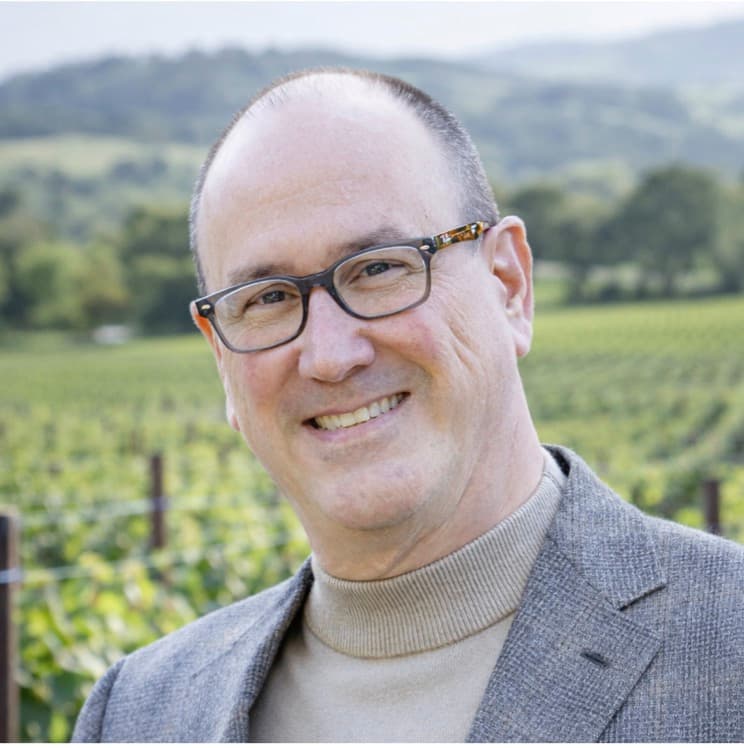
Founder, President, CEO, & Board Member
Steven R. Deitcher, MD
Serial biotechnology and cell therapy company founder, builder, leader, and inventor. Former academic hematologist, oncologist, and cardiovascular medicine physician and researcher, including leadership roles at distinguished institutions.
Frequently Asked
Common questions
Short answers to the questions that investors, clinicians, and stroke sufferers ask most often.