Loading…
Understanding Chronic Stroke
A leading cause of long-term disability — with no approved medicinal (i.e., drug or biologic) restorative treatment
The Unmet Need
Stroke — sometimes called brain attack — is the leading cause of serious long-term disability in the United States. Acute stroke treatments have improved early patient survival, but most survivors are left with chronic motor deficits that no currently approved drug or biologic therapy can address. The result is a global population of patients and families waiting for regenerative and restorative treatment options that do not yet exist.
How a stroke damages the brain
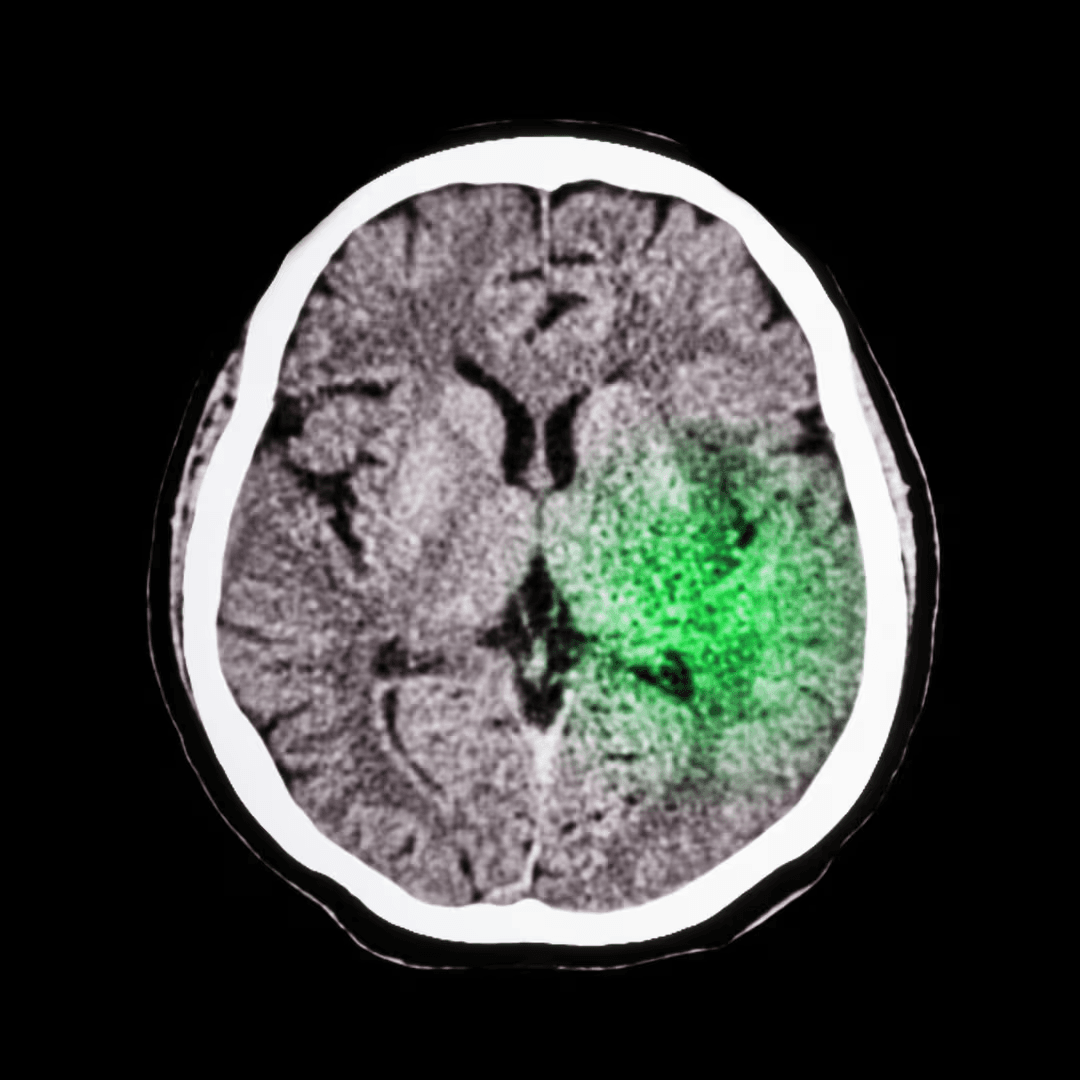
With ischemic stroke, a blockage forms within a small, medium, or large artery and chokes off the oxygen-rich blood supply to parts of the brain. Unless quickly reversed, the stroke causes brain cells to be injured and eventually die. Dead brain areas do not grow back or repair themselves. Depending on the affected area of the brain, movement (motor function), sensation, balance, strength, vision, and speech may be impaired.
Magnitude of the Problem
Chronic ischemic stroke is one of the largest unmet medical needs in the US and other regions. The vast majority of first strokes are ischemic — caused by acute blood flow disruption to the brain — and most of those strokes leave permanent motor dysfunction. The human cost is immense, and the economic cost compounds every year a patient goes without a restorative option.
>6M
US adults living with chronic ischemic stroke
~8M
Chronic ischemic stroke patients in Europe
~3M
Chronic ischemic stroke patients in Japan
>500K
New ischemic strokes in the US each year
Standard of Care
Current Standard of Care
Today's medicinal treatment options for chronic ischemic stroke are limited to rehabilitation, supportive care, and drugs intended to reduce the risk of a repeat stroke. Recovery from an acute stroke plateaus within months, and no drug or biologic therapy exists to restore lost brain function. Patients and their families face a lifetime of managing permanent disability.
About 80% of ischemic strokes involve subcortical, central brain structures with or without accompanying cortical stroke
Up to 85 percent of first strokes leave lasting motor dysfunction
By six months post-stroke, any spontaneous recovery has plateaued and a gradual decline in function may begin
At six months post-stroke when the chronic stroke phase begins, roughly half of patients lack the functional independence to care for their own basic needs
In the US, annual support costs can exceed $100,000 per patient per year
Physical and occupational therapy can improve function but cannot regenerate lost brain tissue
Vagus nerve stimulation combined with rehabilitation may improve arm function (not leg function) in moderately affected patients